
 Injectors
 Turbos
 Fuel Pumps
 Oil Pumps
 Electronic Actuators
 EGR Coolers
 Accessory Kits
 Contamination Kits






What Is Injector Trim Code and Why Does It Matter? Leave a comment
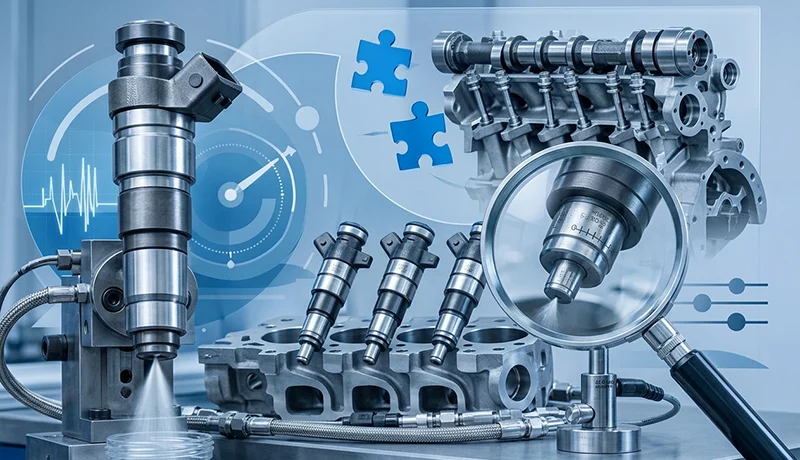
A new injector can be mechanically perfect and still cause problems if the engine controller is not given the information it needs to run it correctly. So, what is injector trim code? It is the calibration data assigned to an individual fuel injector that allows the ECM to compensate for that injector’s measured flow characteristics. On many modern common-rail diesel engines, entering that code is part of a complete, professional injector installation.
What Is Injector Trim Code?
An injector trim code is a sequence of letters, numbers, or a scannable data pattern created during injector testing. Manufacturers may call it an injector calibration code, correction code, IQA code, IMA code, or QR code. The naming varies by engine platform, but the purpose is the same: it tells the ECM how that specific injector differs from the ideal baseline injector used in the engine’s programming.
No two injectors flow exactly alike. Even when injectors are built to tight specifications, small differences in internal clearances, nozzle flow, response time, and fuel delivery can exist. The trim code records those measured differences. Once the code is programmed to the correct cylinder, the ECM can make small adjustments to injector timing and pulse width to keep combustion consistent across the engine.
Think of it as a correction factor, not a performance tune. The code does not add horsepower, increase rail pressure, or cover up a worn-out fuel system. It helps the engine use an injector as it was tested and calibrated.
Why Injector Calibration Codes Matter
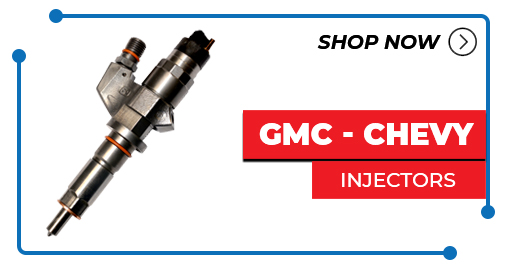
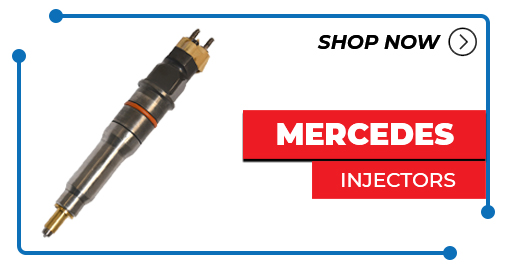
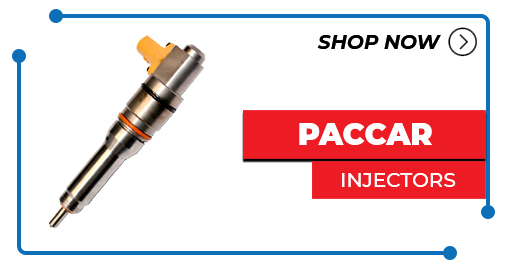
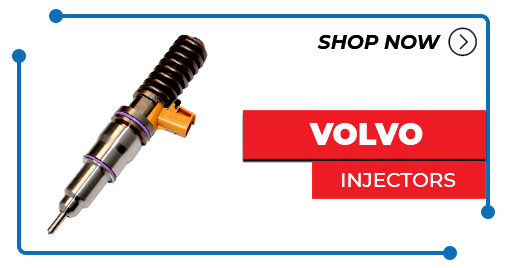
Modern diesel fuel systems operate at extremely high pressure and rely on precise, electronically controlled injection events. A slight variation in delivered fuel can affect idle quality, combustion noise, fuel economy, smoke output, cylinder balance, and emissions performance. That is why injector coding is common on late-model diesel platforms from Ford, GM, Ram, International, Mercedes-Benz, Volvo, Paccar, and other manufacturers.
When an injector is installed without its required trim code, the engine may still start and run. That does not mean the installation is correct. Depending on the engine and how far the injector’s actual flow differs from the ECM’s assumed value, the truck may develop a rough idle, cold-start concerns, increased diesel knock, excessive smoke, a cylinder contribution fault, or an emissions-related diagnostic code.
The effect depends on the application. Some older mechanical and early electronically controlled systems do not use trim coding at all. Other engines may only require coding when one injector is replaced, while certain systems require every installed injector to be entered or relearned. Always follow the procedure for the specific engine, model year, and fuel system.
The ECM Uses the Code for Fine Fuel Control
The ECM starts with a base fuel-delivery strategy based on inputs such as engine speed, load, coolant temperature, rail pressure, intake air conditions, and accelerator position. Injector trim data refines that strategy for each cylinder.
For example, if one injector delivers slightly more fuel than the baseline value at a specific test point, the ECM can reduce its commanded pulse width. If another injector needs a slightly longer command to achieve the same result, the ECM can compensate in the other direction. Those corrections are small, but in a high-pressure common-rail system, small corrections matter.
This is also why a trim code must be matched to the injector itself. A code from the old injector does not automatically belong on the replacement injector, even if both parts share the same part number. Reusing an old code can make the controller compensate for the wrong injector characteristics.
When Does an Injector Need to Be Programmed?
Injector programming is most often needed after replacing one or more electronically controlled common-rail injectors. The replacement part may arrive with a printed code, a label, a laser-etched number, or a QR-style mark on the injector body or packaging. Record that information before installation, because access can be limited once the injector is installed under valve covers, fuel lines, and harnesses.
Coding may also be required after installing a remanufactured injector set, replacing an ECM, performing certain fuel-system repairs, or completing an OEM-directed relearn procedure. Some scan tools refer to this function as injector coding, injector programming, injector quantity adjustment, or cylinder calibration.
Do not assume a generic code reader can complete the job. Many entry-level scanners can read and clear fault codes but cannot access bidirectional controls or injector calibration functions. The shop may need an OEM-level scan tool or a professional diagnostic platform with the correct diesel software coverage.
Correct Coding Starts Before the Injector Goes In
A clean installation process prevents avoidable problems. First, verify that the injector part number matches the engine application and that each injector has its own visible trim information. Next, identify the engine’s cylinder numbering and injector location requirements. Entering a valid code into the wrong cylinder can create the same kind of drivability issue as entering the wrong code.
After installation, use the correct diagnostic tool to enter or scan each code exactly as shown. Some systems require uppercase characters, no spaces, a fixed number of digits, or a scan of the injector’s data mark. Confirm that the ECM accepted the entry, then clear applicable faults and complete any required idle relearn, pilot-injection relearn, or road-test procedure.
The final check should include more than starting the truck. Watch for fault codes, listen for abnormal combustion noise, check cylinder balance data where available, inspect for fuel leaks, and verify that the engine reaches a stable idle. A programmed injector is only one part of a reliable repair.
Trim Codes Do Not Fix Fuel-System Problems
Injector coding is precise work, but it is not a cure-all. If the fuel tank has contamination, the high-pressure pump is failing, fuel pressure is unstable, the injector harness has a wiring issue, or compression is low, programming a trim code will not solve the underlying problem.
That distinction matters after a fuel-system failure. Metal debris from a damaged high-pressure pump can contaminate rails, lines, injectors, and the tank. Installing replacement injectors without addressing the full contamination path can destroy the new parts quickly. Likewise, an injector with a damaged connector, poor spray pattern, or internal leakage cannot be repaired by entering a correct calibration code.
A strong diagnosis looks at the complete system: fuel quality, rail pressure, return flow, electrical integrity, cylinder contribution, compression, and the truck’s stored diagnostic information. That approach prevents a customer from spending money on injectors when the actual failure is elsewhere.
Why Trim Coding Matters With Remanufactured Injectors
A properly remanufactured injector should not be treated as an unknown used part. Quality remanufacturing involves disassembly, cleaning, inspection, replacement of worn components, flow testing, and calibration. When the injector design requires trim coding, that testing supports the code supplied with the finished injector.
This is one reason the source of the injector matters. A low-cost replacement without clear calibration data, application confirmation, or testing history can turn a straightforward repair into a repeat visit. American Diesel Parts supplies tested remanufactured and replacement diesel injectors with the technical support needed to match the right part to the job.
For shops and fleets, this protects uptime. For owner-operators, it protects the labor already invested in an injector replacement. The cost of getting the correct code and programming it properly is small compared with removing injectors again because of a preventable idle, smoke, or fault-code issue.
A Practical Rule for Injector Replacement
If the injector has a calibration code and the engine manufacturer provides a coding procedure, program it. Do not guess, copy the old injector’s information, or assume the ECM will automatically learn the new injector. Verify the injector is correct, record its code, assign it to the correct cylinder, and confirm the ECM accepted it.
That extra step turns an injector swap into a complete fuel-system repair – the kind of work that keeps a diesel truck running cleanly, pulling reliably, and spending more time on the road than in the service bay.
