
 Injectors
 Turbos
 Fuel Pumps
 Oil Pumps
 Electronic Actuators
 EGR Coolers
 Accessory Kits
 Contamination Kits






















Best Turbocharger for Diesel Truck Use Leave a comment
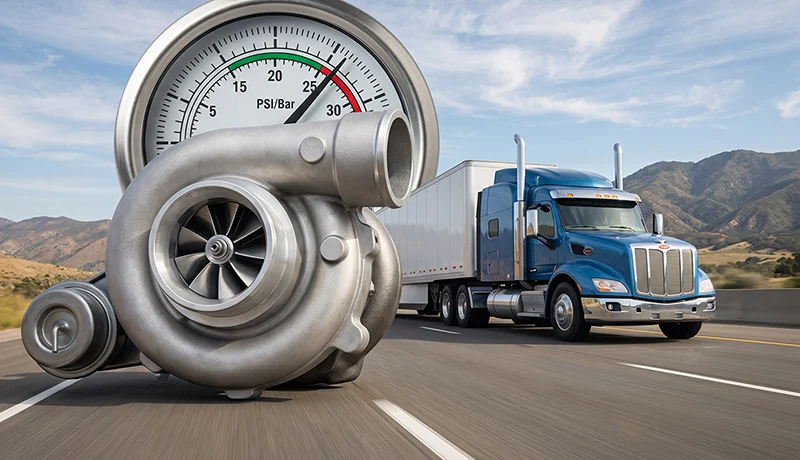
A diesel truck that feels lazy off the line, smokes under load, or falls flat on a grade usually is not asking for a guess – it is asking for the right turbo. Finding the best turbocharger for diesel truck use starts with one simple fact: the best unit is the one that matches the engine, the work cycle, and the calibration already on the truck.
That matters because turbo selection is rarely about chasing the biggest compressor wheel or the highest advertised boost number. For working diesel pickups, medium-duty trucks, and commercial applications, the wrong turbo can create lag, drive up exhaust gas temperatures, hurt fuel economy, and shorten engine life. The right one restores power where you use it every day and keeps the truck earning.
What actually makes the best turbocharger for diesel truck performance?
The short answer is fitment, airflow, and durability. The longer answer is that a turbo has to match the engine’s displacement, fueling, exhaust flow, and intended load range. A truck pulling equipment every week needs a different turbo response than a truck built for light highway miles. A fleet unit that has to stay reliable in stop-and-go service needs different priorities than a weekend performance build.
For most diesel truck owners and repair shops, the best choice is not the most aggressive aftermarket setup. It is often an OEM-spec, remanufactured, rebuilt, or premium stock-replacement turbo that restores factory drivability and supports dependable boost under real working conditions. That is especially true when the truck still runs stock tuning, stock injectors, and stock emissions equipment.
Build quality matters just as much as sizing. A turbocharger is only as good as its rotating assembly balance, bearing condition, housing integrity, actuator operation, and calibration. If the VGT mechanism sticks or the actuator is not functioning correctly, even a good cartridge will not perform the way it should. That is why tested and verified units matter.
The best turbo depends on how your truck works
If your truck spends most of its life towing, low-end response should be high on the list. A slightly quicker-spooling stock-style turbo can make the truck easier to drive under load and help keep EGTs in check. If the truck is primarily highway-driven with long steady pulls, a broader airflow range may make more sense.
Pickup owners often look at turbo options through a performance lens, but commercial operators usually have a better question: what keeps the truck on the road with the fewest surprises? That usually points back to proven fitment, quality remanufacturing or OEM-level replacement, and a solid warranty.
Repair shops know this already. When a customer needs the truck back in service, the turbo has to install correctly, communicate with the existing system if it is electronically actuated, and deliver predictable boost control. There is no value in a part that creates more diagnostic time.
Stock replacement vs upgraded turbo
A stock replacement turbo is the right answer when the goal is reliability, emissions compliance, and factory-style drivability. It is generally the safest option for work trucks, fleet vehicles, and trucks with no supporting modifications. It also reduces the chance of mismatch with injectors, tuning, charge air system pressure, and transmission behavior.
An upgraded turbo can make sense if the truck has supporting fuel and air upgrades, and if the owner understands the trade-offs. Larger units can offer more top-end airflow, but they can also introduce lag, especially on a heavy truck that needs quick response at lower RPM. For a lot of diesel owners, that trade is not worth it.
Fixed geometry vs VGT
Many modern diesel trucks use variable geometry turbos for a reason. They improve spool-up, help with exhaust braking, and support a wider operating range. If the truck was built around a VGT setup, replacing it with the proper VGT assembly usually keeps the system working the way the manufacturer intended.
Fixed geometry turbos are simpler in some applications and can be durable, but swapping from one style to another is not a casual decision. It affects tuning, exhaust flow, and overall drivability. Unless the truck is built for a specific use case, staying with the correct original design is usually the smarter move.
How to choose the best turbocharger for diesel truck repairs
Start with the engine platform, not the marketing. Cummins, Duramax, Power Stroke, Detroit, Caterpillar, International, Paccar, and Mercedes (Nota: Selecciona cada marca y ponle el link de su categoría correspondiente) diesel applications all have turbo differences that matter. Turbine housing sizing, compressor design, actuator type, mounting configuration, and calibration requirements are not interchangeable details.
Then look at the truck’s symptoms and failure history. If the old turbo failed because of oil starvation, contamination, overspeed, or debris, replacing the turbo alone is not enough. The new unit can fail just as fast if the root cause stays in the system. Oil feed and drain lines, air intake plumbing, CAC boots, filters, and exhaust restrictions all need attention.
This is also where remanufactured and rebuilt turbos can be a strong value. A properly remanufactured unit that has been inspected, balanced, tested, and assembled to correct specifications can be a dependable solution for diesel truck repairs. The key phrase there is properly remanufactured. A low-cost unit with questionable internals or poor actuator verification can cost far more in downtime than it saves up front.
What to verify before you buy
Part number matching is the first checkpoint. The engine serial number, VIN, and OE turbo number should all be cross-checked when possible. That is especially important with electronically actuated turbos and applications where small design changes affect fit and control.
You also want to know whether the actuator is included, whether it has been tested, and whether programming or calibration is required. On many late-model diesel trucks, actuator problems get blamed on the turbo and vice versa. Replacing one without properly evaluating the other can lead to repeat repairs.
Warranty coverage should not be treated like a footnote. A 12-month limited warranty (up to 18-months) backed by a supplier that understands diesel applications is far more useful than a generic listing with no technical support behind it. When there is a fitment question or install issue, real phone support matters.
Common mistakes that lead to bad turbo choices
The biggest mistake is buying on boost claims alone. More boost does not automatically mean better performance. If the engine cannot use the added airflow efficiently, or if the truck loses low-end response where it actually works, the setup is worse, not better.
Another common problem is ignoring supporting components. A turbocharger is part of a system that includes fuel delivery, charge air cooling, sensors, actuators, exhaust flow, and lubrication. If those pieces are worn or contaminated, even the best turbo will not deliver consistent results.
Shops also run into problems when customers request a cheaper alternative without considering downtime. A lower-quality turbo that fails early creates labor duplication, customer frustration, and potentially engine risk. On a working diesel truck, repeat repairs are expensive fast.
When remanufactured is the smart move
For many diesel owners and fleets, remanufactured turbochargers hit the right balance of cost and reliability. That only works when the reman process is done correctly – clean housings, inspected shafts, quality bearings and seals, proper balancing, verified clearances, and tested actuator function where applicable.
A strong reman program is not just about replacing worn parts. It is about restoring the unit to dependable operating condition using the right processes and equipment. That is why experienced diesel buyers look past the label and ask how the turbo was rebuilt, tested, and validated before shipment.
This is where a specialized diesel parts supplier has a real advantage. Dtis Fuel System Parts serves diesel owners, fleets, and repair shops that need working parts, not guesswork, with support for major diesel platforms and practical help on fitment, warranty, and rebuildable cores.
The right turbo is the one that fits the job
If you are trying to choose the best turbocharger for diesel truck service, think like an operator first and a parts shopper second. What does the truck haul? How often is it under load? Is it stock, tuned, deleted, or fully emissions compliant? Does it need fast spool for towing, stable highway airflow, or factory-style response for fleet use?
Those answers matter more than any one-size-fits-all recommendation. The best turbo for a work truck is usually the one that restores clean boost control, keeps exhaust temperatures manageable, installs without drama, and holds up over time. If a part does that consistently, it is doing exactly what your diesel truck needs.
Before you order, verify fitment, inspect the root cause of the old failure, and make sure the replacement comes from a source that understands diesel systems. A turbo is not just another bolt-on part. It is one of the components that decides whether your truck pulls hard and stays in service – or ends up back in the bay.
